Many of us know what it feels like to have “no one to message” on a Friday night, or to scroll through photos of other people’s catch-ups and feel quietly left out. For people living with a disability, that experience of exclusion is often magnified, not because they don’t want friends, but because the world around them is not built with their bodies, brains or support needs in mind.
Yet social connection is not just “nice to have”. It is as fundamental to health as sleep, movement and nutrition. Strong social ties protect our physical health, support mental wellbeing, and shape how we see ourselves. For people living with disability, the stakes are even higher: the difference between isolation and genuine belonging can affect life expectancy, independence, confidence and quality of life (1–3).
In this article, we’ll explore what the science says about social connection, why it matters so much for people living with disability, and how thoughtfully designed programs – like Raise Your Spirit’s Social Sparks, can turn evidence into everyday connection.
Hard-wired to connect
Humans are social animals. Brain imaging studies show that the same regions activated by physical pain also light up when we experience social rejection, which is why being left out can quite literally “hurt” (3).
A landmark meta-analysis of 148 studies by Holt-Lunstad and colleagues found that people with stronger social relationships had a 50% increased likelihood of survival over time, even when age, physical illness and lifestyle factors were taken into account (3). The health impact of being socially disconnected was comparable to well-known risk factors such as smoking and obesity.
Social connection is more than just “having people around”.
Researchers talk about:
• structural aspects – how many people are in your network, and how often you see them; and
• functional aspects – whether those people actually provide emotional support, practical help, fun and a sense of belonging (4,5).
For people with mild intellectual disability, studies show that social networks are often smaller, more dominated by family and paid staff, and include fewer freely chosen friends than the networks of non-disabled peers (4,6). Yet when people do have at least a few meaningful, reciprocal relationships, they report higher satisfaction with their lives (4,5).
In other words: it’s not about collecting hundreds of contacts. It’s about having people who feel like “mine”.
The cost of loneliness when you live with a disability
Loneliness is not the same as being alone. It is the distress we feel when the social connections we have are fewer, or less satisfying, than we would like. For people with disability, loneliness is both more common and more harmful.
A recent scoping review of loneliness and disability found that people with disability consistently reported higher levels of loneliness than non-disabled people, across multiple countries and impairment groups (1). Loneliness in these studies was linked to:
• higher rates of depression and anxiety;
• poorer self-rated health;
• increased pain and fatigue; and
• lower participation in community life (1,2).

In the United Kingdom, Emerson and colleagues showed that adults with disability were significantly more likely to feel lonely “often or always” than those without disability, even after accounting for income, employment and neighbourhood disadvantage (2).
This is not because people with disability are “less social”. Qualitative work makes it clear that many people want more friends, more invitations and more chances to contribute, but run into barriers like inaccessible venues, transport, communication difficulties, support funding limits, stigma or anxiety about being judged (5,7,8).
When we put those pieces together, a clear picture emerges: loneliness is not an individual failing, it’s a systems problem.

What social connection does for body and brain
So why does being social matter so much for health? Researchers propose several overlapping pathways:
- Stress buffering
Supportive relationships help people cope with stress. Just knowing that someone “has your back” can reduce physiological stress responses, lowering blood pressure, heart rate and stress hormones like cortisol (3). - Health behaviours
Friends and family often shape what we eat, how active we are, whether we attend appointments and take medication as prescribed. People embedded in social networks with healthy norms are more likely to engage in protective behaviours (3). - Biological pathways
Chronic loneliness and social threat are associated with increased inflammation and altered immune function. Over time, this can contribute to conditions such as cardiovascular disease, diabetes and depression (3).
For people living with disability, especially those who already face higher rates of chronic physical and mental health conditions, these pathways matter even more. Reducing loneliness and supporting social participation may be one of the most modifiable levers we have to improve long-term health outcomes (1,2).
Friendships, fun and quality of life in intellectual disability and autism
When researchers ask people living with intellectual disability what makes a “good life”, social themes show up again and again: having friends, being known, feeling useful, having places to go and people to see (5,7,9).
Several key findings have emerged:
Network size and quality
Van Asselt-Goverts and colleagues found that adults with mild intellectual disability typically have networks of 4–28 people, with family forming the largest share, followed by acquaintances and professionals (4). Satisfaction with life was higher when networks included more non-family, non-paid relationships, he kind of friends you might message “just because”.
Friendship quality and wellbeing
Studies of adults with intellectual and developmental disability show that better friendship quality is associated with fewer psychological problems and higher life satisfaction (5,10). Conversely, friendship difficulties and social exclusion are risk factors for depression and challenging behaviours.
Autistic youth and life satisfaction
A recent study of autistic youth with and without intellectual disability found that, for those with intellectual disability, more frequent social participation, getting out, joining activities, seeing people, was strongly linked with higher self-reported life satisfaction (11). Social participation mattered even when controlling for other factors such as parental stress and unmet service needs.
A separate scoping review of friendship experiences among autistic adults found that many do want friends, but often prefer lower-intensity, interest-based connections (for example, gaming, anime or online communities) rather than stereotypical “small talk” socialising (12). When friendships align with their interests and sensory preferences, autistic adults describe them as deeply meaningful and protective against loneliness.
Taken together, these findings highlight that:
• people living with disability value friendship and social participation;
• the type of social interaction matters, interest-based, strengths-focused activities work best; and
• even modest increases in social participation can have a meaningful impact on quality of life.
Social participation, cognition and independence over time
Social connection is not just important “in the moment”; it also appears to shape long-term outcomes like cognition and independence.
Using data from the 1958 British birth cohort, Wang and colleagues examined mid-life social participation among adults with borderline or mild intellectual disability (6). They found that:
• people with intellectual disability participated less often in social and leisure activities than peers without disability; and
• lower social participation at mid-life was associated with poorer quality of life and greater cognitive difficulties later on (6).
This suggests that supporting social participation is not a “nice add-on” after more urgent needs are met, it is a core part of maintaining skills, confidence and wellbeing as people age.
Other work has shown that when services help people expand and strengthen their social networks, for example, through supported employment, community volunteering or clubs, people often report increased confidence, autonomy and sense of purpose (4,9,13).
Belonging, identity and resilience
Beyond measurable health outcomes, social connection is central to who we believe ourselves to be.
A systematic review of social networks and intellectual disability found that strong, supportive networks were consistently linked to greater feelings of belonging, self-worth and “being part of the community”, while sparse networks were linked to feelings of invisibility and stigma (9).
In parallel, a scoping review of resilience in neurodivergent people, including autistic and ADHD individuals, found that community belonging and positive relationships were key ingredients in resilience (14). Rather than “toughing it out alone”, people described drawing strength from peer groups, interest-based communities and supportive staff who saw their strengths rather than deficits.
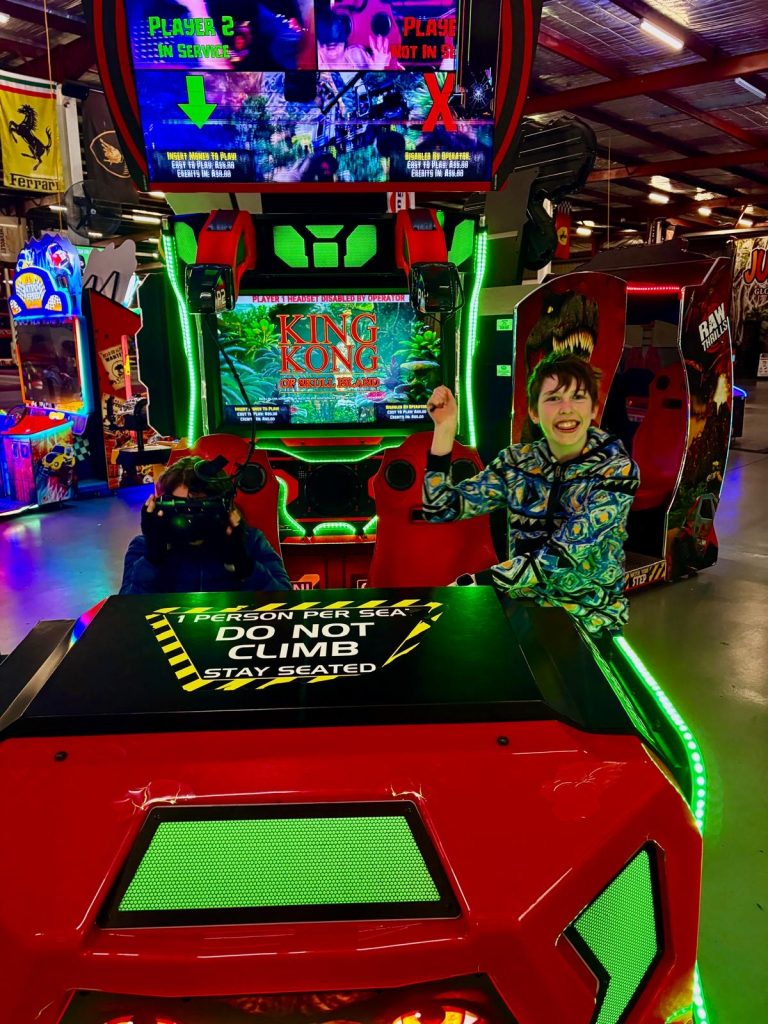
Community arts research echoes this. Participating in group creative projects, from art roadshows to local theatre, has been shown to:
• reduce self-stigma;
• increase confidence and sense of identity; and
• provide safe spaces to try new roles (artist, performer, organiser) rather than just “service user” (15,16).
These identity shifts matter enormously for people who have spent years being viewed primarily through the lens of diagnosis, risk or support needs.
What gets in the way?
Barriers to being social when you live with a disability
If social connection is so clearly beneficial, why is loneliness still so widespread among people living with a disability?
Research, along with lived experience, points to a cluster of interacting barriers:
• Physical and sensory access – noisy venues, stairs, poor lighting, lack of quiet spaces or accessible toilets can make many mainstream events off-limits.
• Transport and support – getting to and from activities often relies on family, support workers or limited public transport; last-minute changes can quickly turn a “yes” into a “no” (5,7,8).
• Financial barriers – tickets, food and activity costs add up, especially when support workers’ time also needs to be funded.
• Attitudinal barriers and stigma – subtle (and not-so-subtle) messages that people with disability do not “fit” certain spaces can discourage participation (9,17).
• Program design – many “social” programs are built around unstructured mingling, loud music or small talk – environments that can be exhausting or overwhelming for neurodivergent people or those with anxiety.
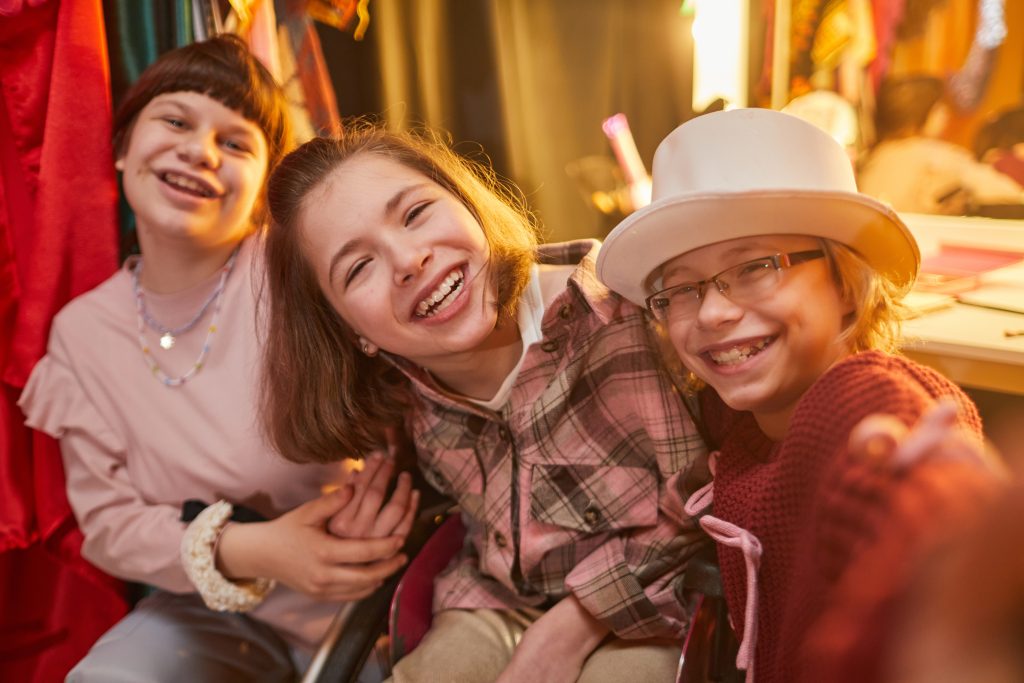
Qualitative studies with adults with intellectual disability and their families consistently emphasise that good support services can either open doors, or quietly close them (5,7,13). When services focus narrowly on basic care or compliance, social participation often becomes an afterthought. When services deliberately prioritise connection and belonging, people’s worlds expand.
What helps?
Designing socials that actually work
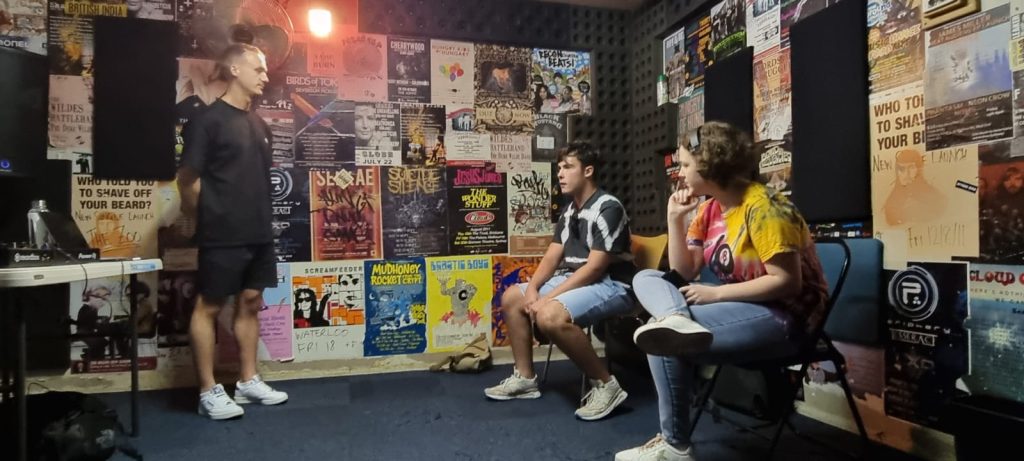
Given the barriers above, what does the evidence suggest about what works to support social participation for people with disability?
Several themes emerge from research and practice:
Interest-based, strengths-focused activities
People are more likely to attend, and keep attending, when activities align with things they genuinely care about: anime, cosplay, music, gaming, sports, art, animals or tech (12,15,16).
Predictable structure with room for spontaneity
Clear information about where to go, what will happen, who will be there and how long it will last reduces anxiety. Within that structure, there should still be options to explore, create and make choices (5,7).
Support that fades, not hovers
Studies of community participation highlight the importance of support workers who know when to step in, and when to step back, so that people can have real conversations and real roles, not just shadow a staff member (5,9,13).
Co-design with people who use the service
When people living with disability are involved in planning programs, the activities are more likely to fit their interests, energy levels and sensory needs, leading to better attendance and satisfaction (5,7,13).
Creating multiple “levels” of participation
Not everyone wants centre stage. Some people enjoy performing; others prefer helping with set-up, photography, social media or quietly chatting with one or two people. Good programs offer many ways to belong (15,16).
These principles are increasingly being woven into disability and mental health services and are at the heart of Raise Your Spirit’s approach.
Social Sparks, turning evidence into everyday connection
Raise Your Spirit’s Social Sparks program was created in response to a simple question:
“If social connection is so important for our participants’ health and happiness, what would it look like to design socials from the ground up around their interests and needs?”
For many of the young people and young adults Raise Your Spirit supports, passions include anime, animals, music, gaming, creativity and cosplay. Traditional “coffee and chat” groups don’t always make sense for someone whose eyes light up talking about their favourite character build, K-pop group or game strategy.
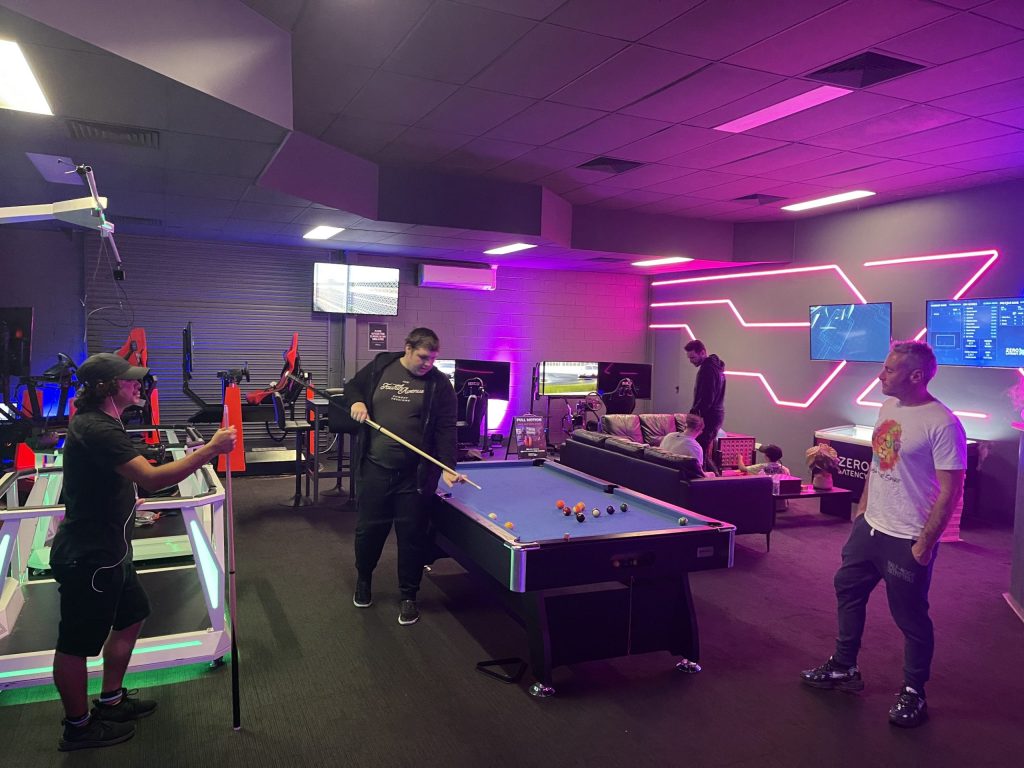
Social Sparks is designed to bridge that gap between what the research says and what actually happens on a Saturday afternoon. While the details can evolve, the core features align closely with the evidence summarised above:
• Interest-driven events
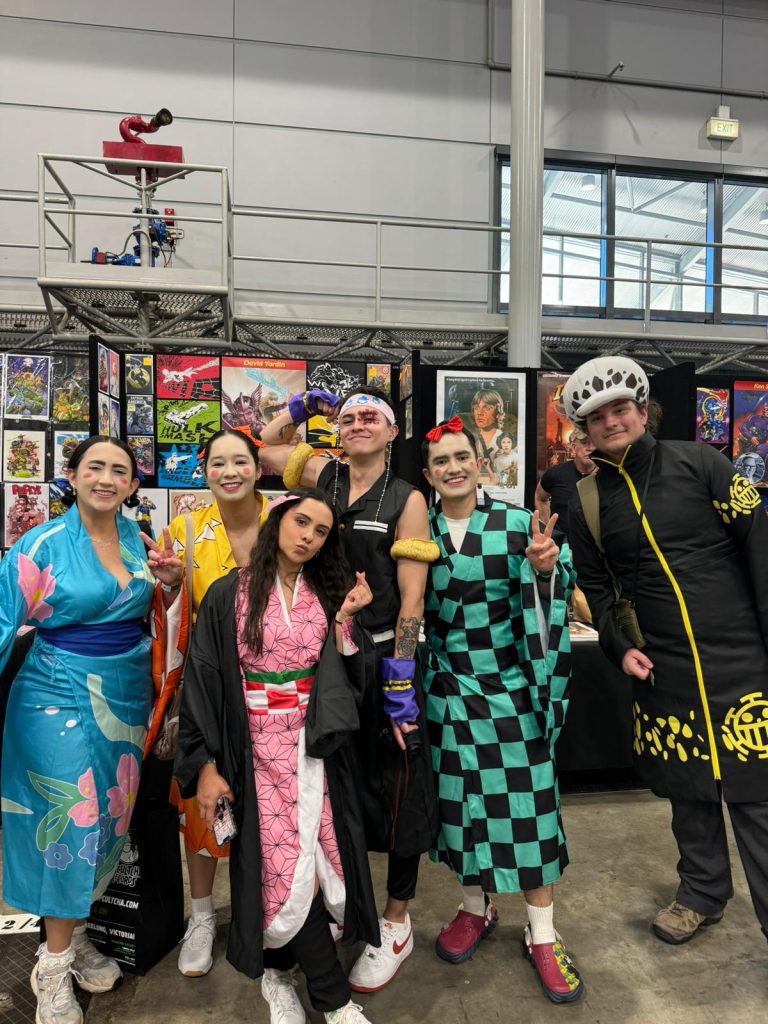
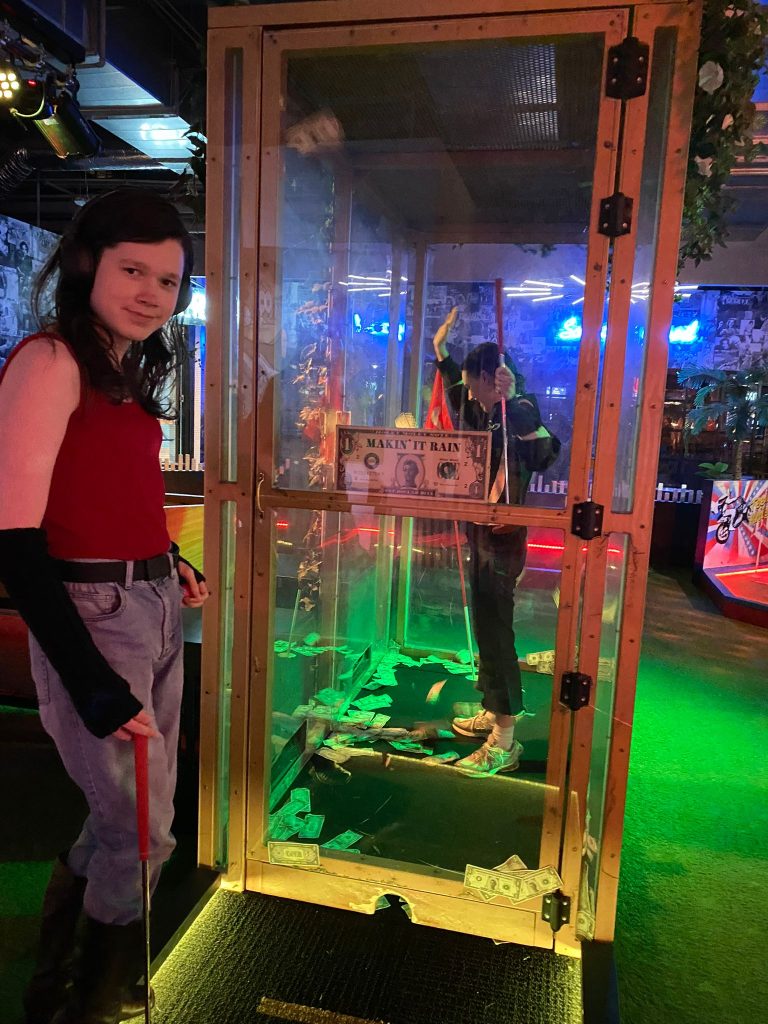
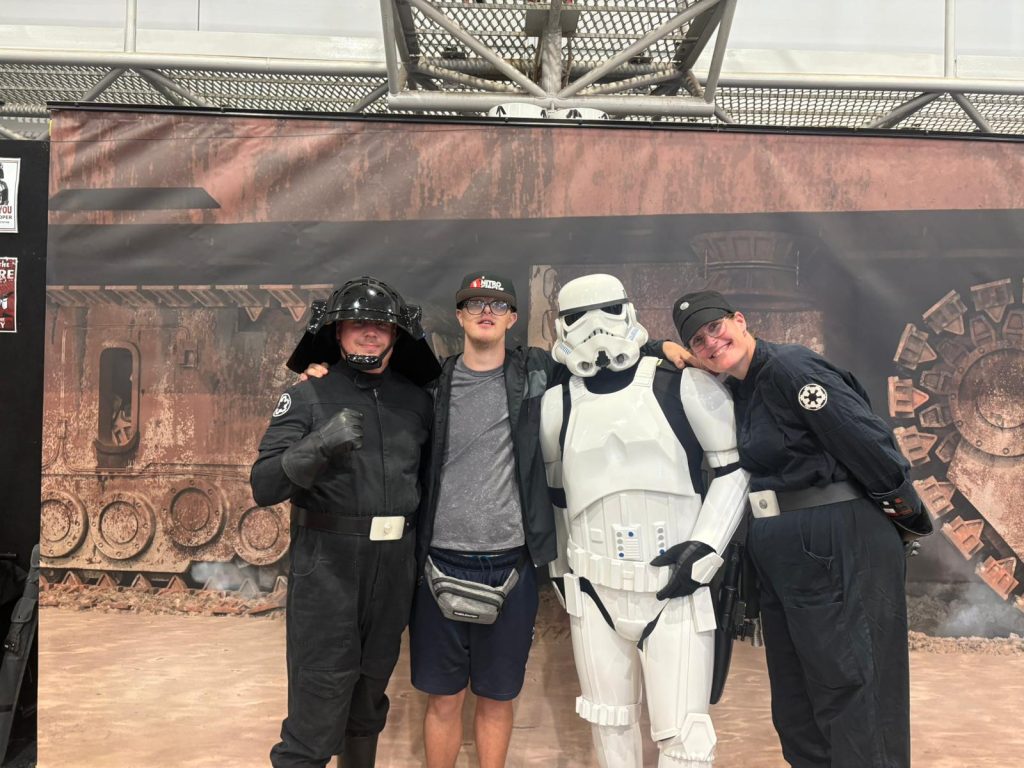
Outings might include trips to conventions like Supanova, movie nights, live music, local comedy, or themed socials where people can dress up, create art, share playlists or play games together. This mirrors research findings that interest-based activities support deeper, more comfortable friendships, especially for autistic and neurodivergent people (11,12,15).
• Structured, predictable – but not rigid
Participants and families receive clear information about timing, meeting points, transport, activities and costs. Within that framework, there is space for organic conversations, creative projects and shared decision-making, the kind of participation that supports both autonomy and connection (5,6,11).
• Happiness Coaches who facilitate, not dominate
Raise Your Spirit refers to support workers as Happiness Coaches, reflecting a philosophy that goes beyond basic care. Our staff are trained to match participants based on interests and energy levels, gently introduce people to each other, support inclusion and then step back so that friendships can form. This approach is consistent with social network research showing that professionals can play a crucial role in expanding and strengthening social networks when they focus on connection, not just compliance (4,9,13).
• Multiple ways to belong
Some participants thrive in group games or dance floors; others prefer quieter corners for drawing, crafting, or one-to-one conversations about their favourite show or car. Social Sparks deliberately creates layers of participation, making room for leaders, helpers, creators and quiet observers, all valid ways of “being social” (15,16).
• Co-design and feedback
Participants are invited to suggest themes, locations and activities, and to reflect on what felt safe, fun or challenging. This ongoing co-design supports occupational justice, people having the chance to do the things that matter to them, which is closely linked to quality of life in intellectual disability research (7,8).
By weaving together evidence on loneliness, social networks, mental health and meaningful occupation, Social Sparks aims to do more than “keep people busy”. The goal is to:
• reduce loneliness and isolation;
• support mental health and resilience;
• build real friendships, not just shared rosters;
• strengthen identity (“I’m a gamer / artist / cosplayer / friend”); and
• give families confidence that their loved one is not only safe, but seen and valued.
Bringing it all together
The science is clear:
• Social relationships are as vital to health as many traditional risk factors (1–3).
• People living with disability face higher rates of loneliness and smaller, more fragile networks (1,2,4,6,9).
• When social participation increases, especially through interest-based, well-supported activities, quality of life, mental health, resilience and life satisfaction improve (5–7,10–12,14–16).
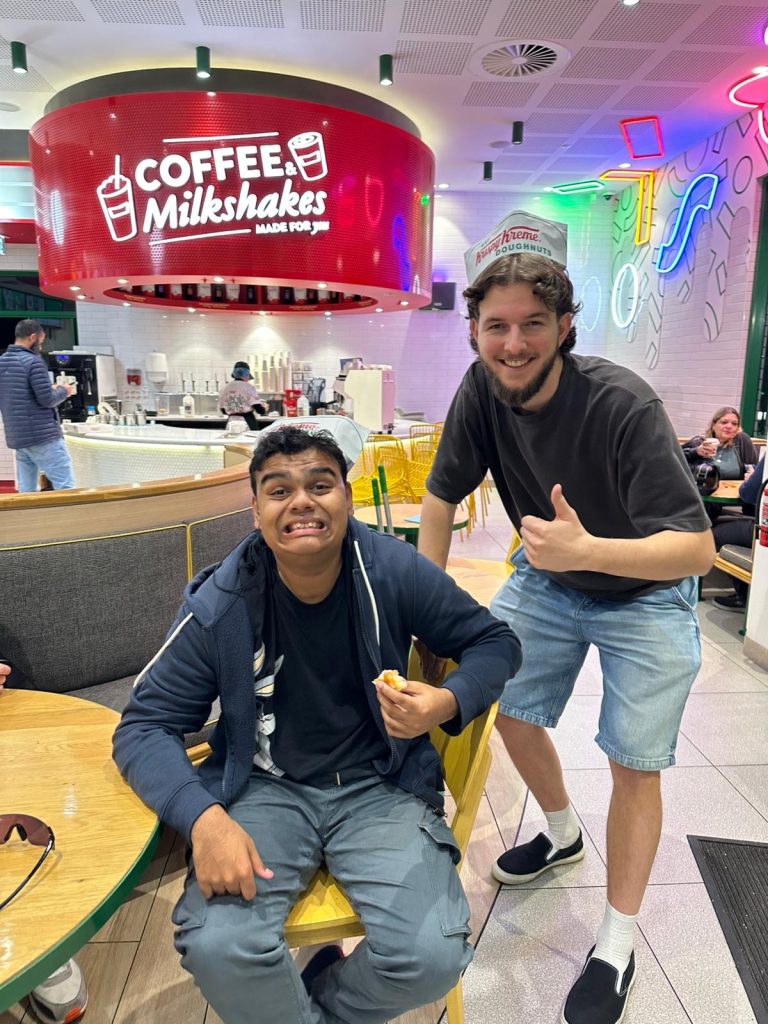
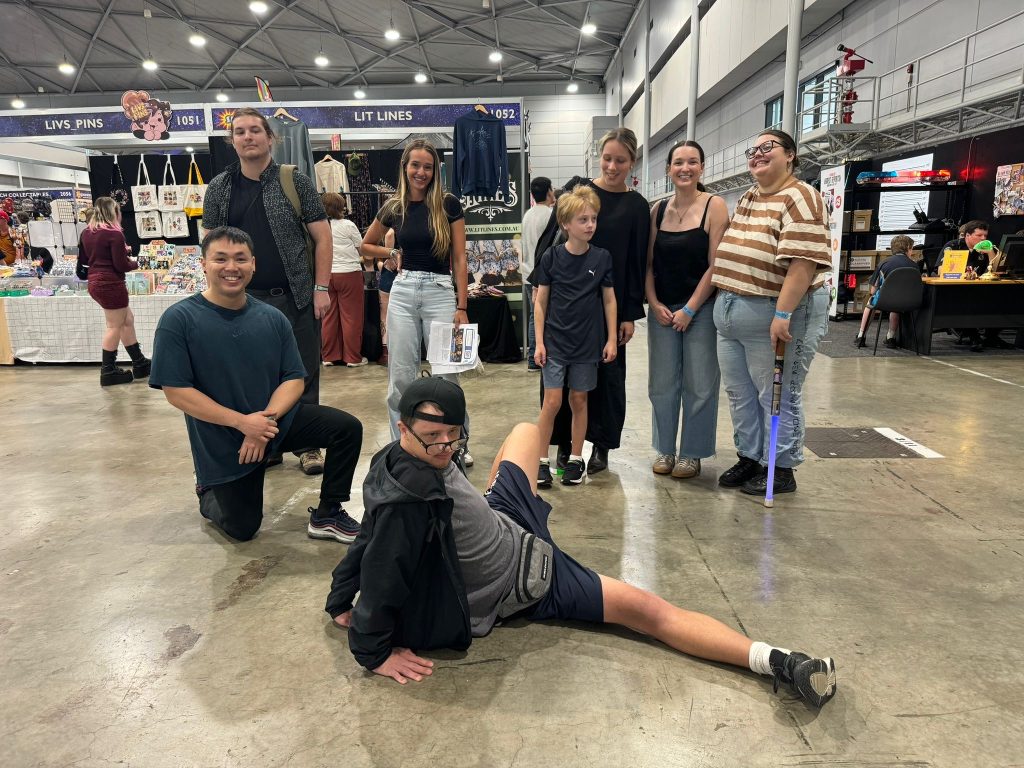
But science alone does not create belonging. That happens in the small, human moments: laughing over a shared in-joke on the way to an event, cheering for a friend in cosplay, sitting side-by-side after a big day out, or sending a message that says, “Are you coming next time?”
Raise Your Spirit’s Social Sparks program exists to create more of those moments, on purpose, and with care. By grounding its design in both lived experience and research, Social Sparks aims to make social connection more accessible, more enjoyable and more sustainable for people living with disability and their families.
Because everyone deserves more than “services”. We all deserve people who know our name, share our passions and are glad we showed up.
References
- Bailie J, Bishop GM, Badland H, Carrington K, Hodgetts D, King TL, et al. Health and wellbeing outcomes associated with loneliness for people with disability: A scoping review. BMC Public Health. 2023;23(1):2108.
- Emerson E, Fortune N, Llewellyn G, Stancliffe RJ. Loneliness, social support, social isolation and wellbeing among working age adults with and without disability: Cross-sectional study. BMC Public Health. 2021;21(1):1513.
- Holt-Lunstad J, Smith TB, Layton JB. Social relationships and mortality risk: A meta-analytic review. PLoS Med. 2010;7(7):e1000316.
- van Asselt-Goverts AE, Embregts PJCM, Hendriks AHC. Social networks of people with mild intellectual disabilities: Characteristics, satisfaction, wishes and quality of life. J Intellect Disabil Res. 2015;59(5):450–61.
- Harrison RA, Bradshaw J, Forrester-Jones R, McCarthy M, Smith S. Social networks and people with intellectual disabilities: A systematic review. J Appl Res Intellect Disabil. 2021;34(6):1448–68.
- Wang Z, Sommerlad A. Mid-life social participation in people with intellectual disability: The 1958 British birth cohort study. PLoS One. 2024;19(5):e0302411.
- Milot É, Couvrette R, Grandisson M. Perspectives of adults with intellectual disabilities and key individuals on community participation in inclusive settings: A Canadian exploratory study. J Intellect Dev Disabil. 2021;46(1):58–66.
- Kapsalakis P, Nteropoulou-Nterou E. Perspectives of adults with intellectual disabilities on occupational participation and quality of life: Towards an occupation-centred model of quality of life. Int J Environ Res Public Health. 2024;21(9):1186.
- Amado AN, Stancliffe RJ, McCarron M, McCallion P. Social inclusion and community participation of individuals with intellectual/developmental disabilities. Intellect Dev Disabil. 2013;51(5):360–75.
- Forrester-Jones R, Carpenter J, Coolen-Schrijner P, Cambridge P, Tate A, Beecham J, et al. The social networks of people with intellectual disability living in the community 12 years after resettlement from long-stay hospitals. J Appl Res Intellect Disabil. 2006;19(4):285–95.
- Moser C, Smith DaWalt L, Burke MM, Taylor JL. Correlates of self-reported life satisfaction among autistic youth with and without intellectual disability. Autism. 2025;29(7):1807–18.
- Wu T, Wang D-C. Experiences of friendship among autistic adults: A scoping review. Front Psychiatry. 2025;16:1523506.
- van Asselt-Goverts AE, Embregts PJCM, Hendriks AHC, Frielink N. Experiences of support staff with expanding and strengthening social networks of people with mild intellectual disabilities. J Community Appl Soc Psychol. 2014;24(2):111–24.
- Black MH, Bould E, Nicholas DB, Rayner C. Resilience in the face of neurodivergence: A scoping review. Clin Psychol Rev. 2024;106:102290.
- Barnett T, de Deuge J, Bridgman H. Promoting mental health through a rural art roadshow: Perspectives of participating artists. Int J Ment Health Syst. 2019;13(1):44.
- Peters LA, Gomersall T, Booth A, Lucock M. Community arts, identity and recovery: A realist review of how community-based arts activities enable the identity change recovery process from serious mental illness. J Community Appl Soc Psychol. 2024;34(1):e2751.
